

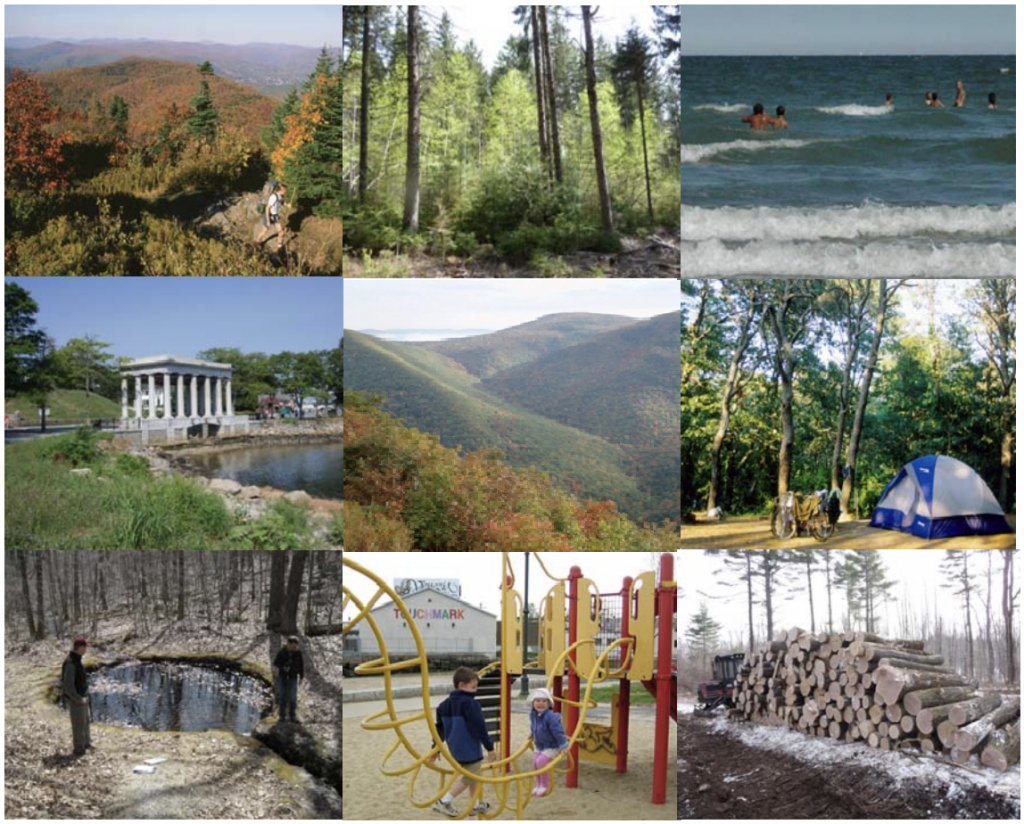
Landscape designations re-imagined to capture carbon and preserve biodiversity
Register HERE for this online event to learn the issues and how to frame comments to the Mass. Department of Conservation and Recreation during the comment period that ends September 28, 2022.
This backgrounder comes from experts in their fields:
- Michael Kellett, Executive Director of RESTORE: The North Woods,
- Climate scientist Dr. Bill Moomaw,
- Biologist Bill Stubblefield.
There will be time for Q & A after the presentations.
Register in advance for this meeting: https://us02web.zoom.us/meeting/register/tZYpf-iprzsiHtdF_gXhWKNvJjklvQupZOMb . If you register, you will get a recording sent to you when it is available.
DCR’s listening sessions allow the public to weigh in on the first 10-year review of the Landscape Designations and Management Guidelines developed in 2012.
The current DCR plan is here: (https://www.mass.gov/files/documents/2016/08/qq/management-guidelines.pdf ).
The public can now say the same things that were said to the legislature during the hearings for the forest protection bills (H.912 and H.1002). Now the comments can go directly to DCR. And we are saying the same things that we said when working on the bills: all DCR land, including the watersheds, become either “parks” or “reserves” where land management is similar to our National Parks. These measures would protect intact ecosystems from logging and most other active management — a level of protection that now exists for only 1% of the state’s land base..
To take action: Click HERE to sign a petition asking the DCR to create more permanent, protected reserves.
Here is the text of the petition:
We, the undersigned, call for state-owned lands administered by the Massachusetts Department of Conservation and Recreation, including all woodlands, reserves, watersheds, and undeveloped parklands, to be designated and permanently protected as Carbon and Biodiversity Reserves.
These Reserves would protect intact ecosystems, which are influenced primarily by natural processes, with only minimal human interference. Limited management activities would be allowed if proven to be necessary to protect public safety, endangered species, or the environment.

Selection Criteria and Management Guidelines